Renovating an investment property is a different exercise from renovating your own home. When it's your house, emotion and personal taste drive decisions. When it's an investment, every dollar spent needs to earn its way back — either through increased rent, increased property value, or both. On the Gold Coast, where the rental market is competitive and property values are sensitive to presentation, a strategic renovation can deliver strong returns. But the wrong renovation can cost more than it adds. This guide helps you spend wisely.
Which Renovations Add the Most Value?
Not all renovations are created equal when it comes to return on investment. Based on our experience building and renovating across the Gold Coast, here's where the highest returns consistently come from:
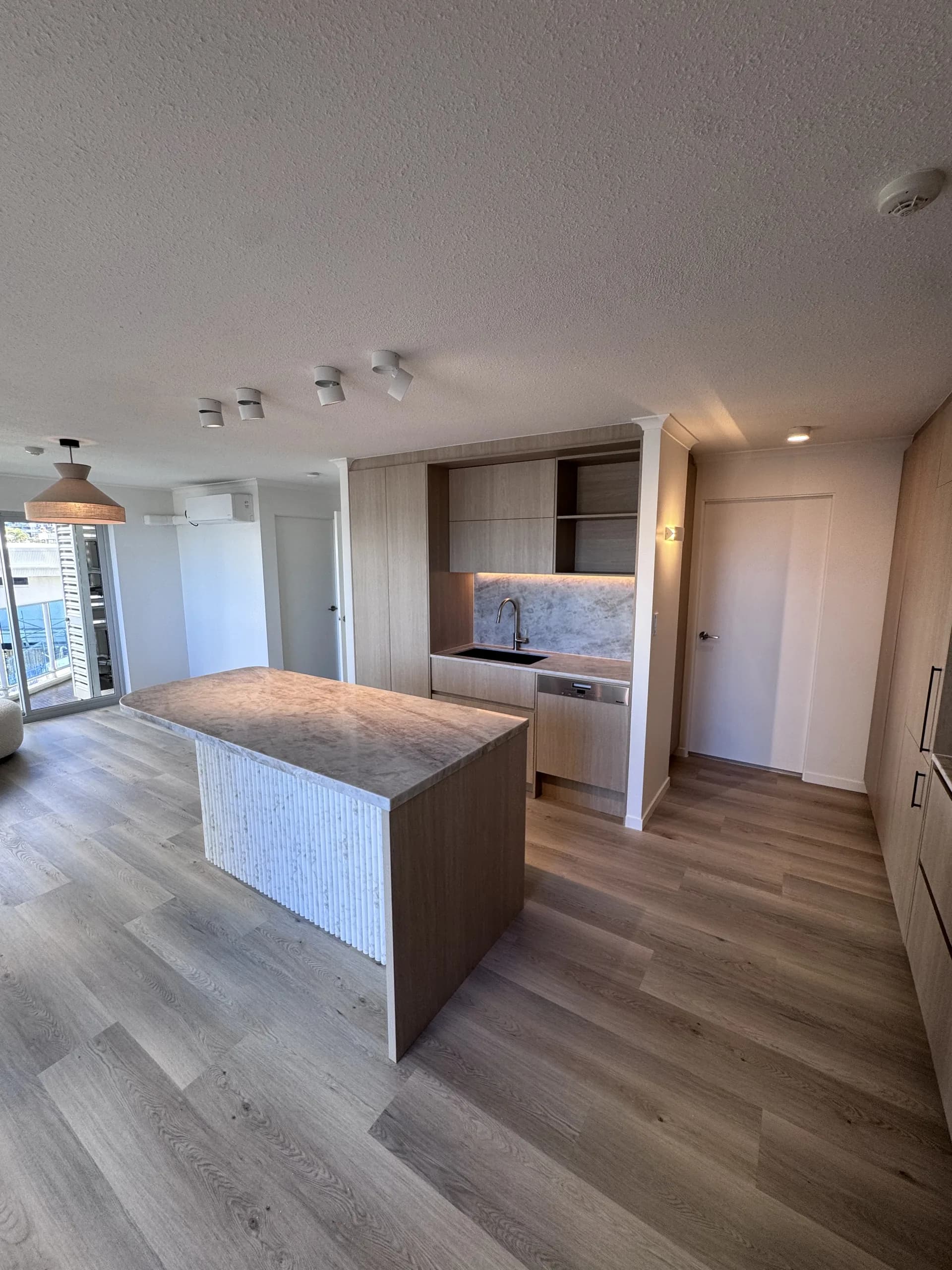
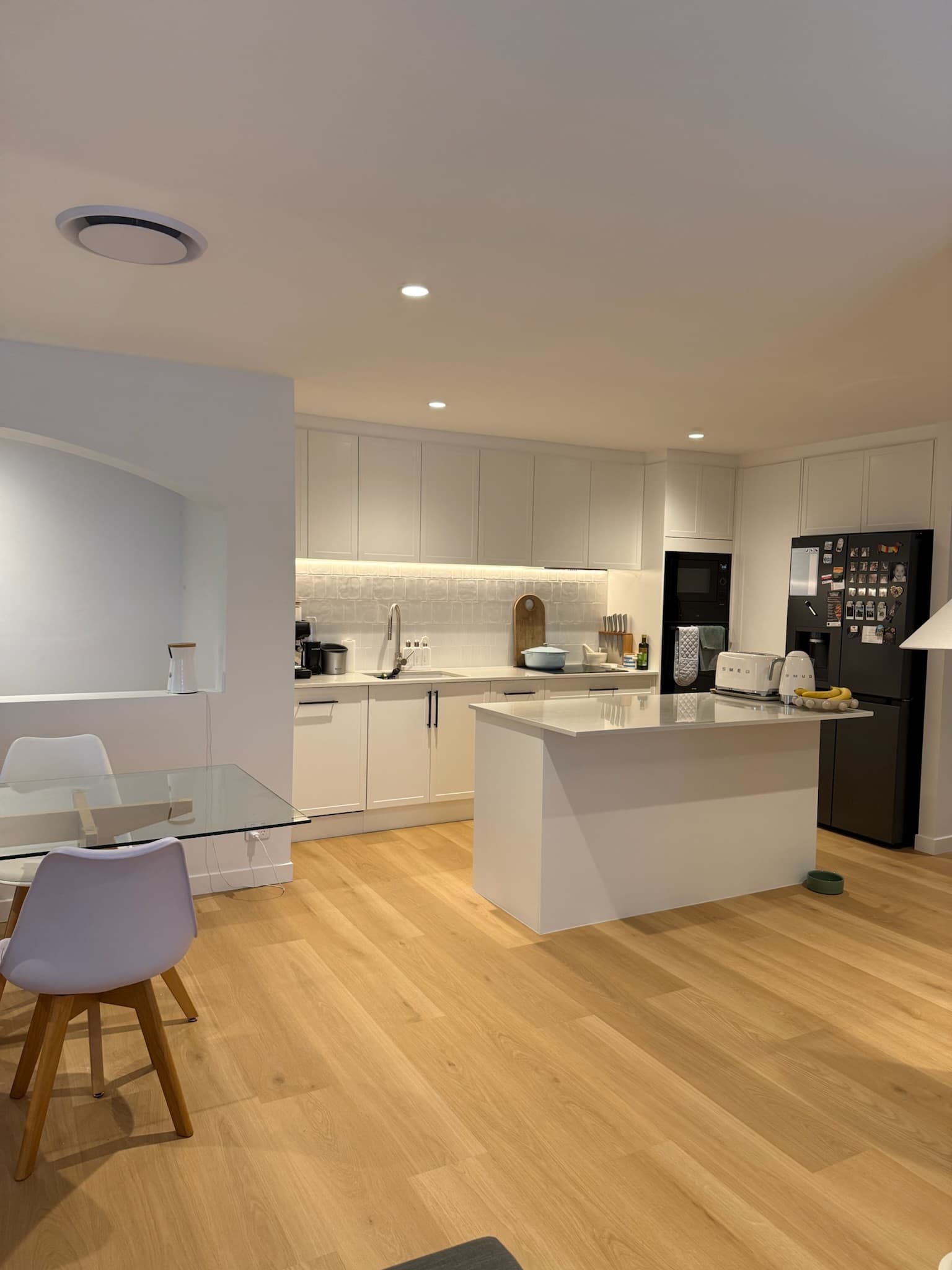
Kitchen: The Single Biggest Value Driver
A dated kitchen is the number one reason buyers and tenants dismiss an otherwise good property. You don't need to spend $50,000 — a smart kitchen renovation for an investment property focuses on the elements that make the biggest visual and functional impact:
- New doors and drawer fronts (keep the carcasses if they're sound): $3,000 – $6,000
- Stone or engineered stone benchtops: $2,500 – $5,000
- New splashback (tiled or panel): $800 – $2,500
- Modern tapware and sink: $500 – $1,500
- Updated appliances (oven, cooktop, rangehood): $2,000 – $4,000
Total: $9,000 to $19,000 for a transformation that can add $20,000 to $40,000 in property value and $30 to $80 per week in rental return.
Bathroom: High Impact Per Dollar
Bathrooms are small rooms with outsized influence on perceived property quality. A tired bathroom with mouldy grout, a stained bath, and brass tapware from the 1990s tells tenants and buyers that the property hasn't been maintained.
- Full bathroom renovation (strip and rebuild): $12,000 – $22,000
- Cosmetic refresh (re-grout, new vanity, tapware, mirror, paint): $3,000 – $6,000
For investment properties, a cosmetic refresh is often sufficient unless the waterproofing is compromised. If the existing tiling and waterproofing membrane are in good condition, new fixtures and a fresh coat of paint can achieve 80% of the visual impact at 30% of the cost.
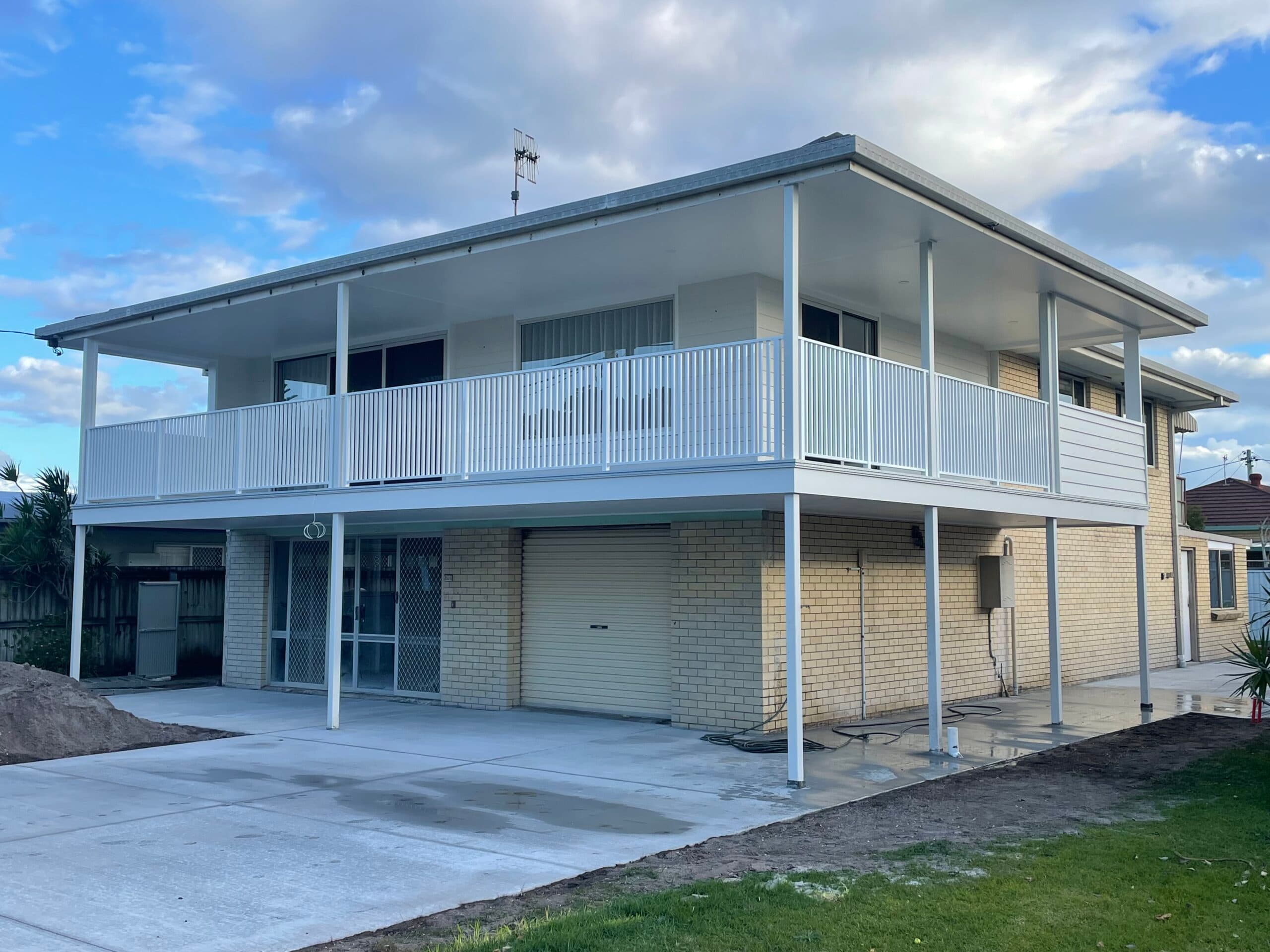
Street Appeal: First Impressions Count
The front of your property is what sets expectations — for tenants at an open home and for valuers assessing market worth. Street appeal renovations offer some of the best bang for buck:
- Exterior paint (full house): $5,000 – $12,000
- New front door and hardware: $800 – $2,500
- Landscaping (garden beds, mulch, feature plants): $1,500 – $5,000
- Driveway pressure clean or reseal: $300 – $800
- New letterbox, house numbers, exterior lighting: $200 – $600
A $5,000 to $10,000 investment in street appeal can lift a property's perceived value by $15,000 to $30,000. It's one of the highest-returning renovations available.
Cost vs Value: Where to Spend and Where to Save
The golden rule for investment property renovation is: spend where tenants and buyers notice, save where they don't. Here are the specific trade-offs that matter:
- Spend on: kitchens, bathrooms, flooring (remove carpet, install hybrid timber or tile), paint (interior and exterior), lighting, and street appeal.
- Save on: structural changes (avoid moving walls unless absolutely necessary), premium fixtures (mid-range looks identical to premium from two metres away), custom joinery (standard sizes and off-the-shelf options are fine for rentals), and landscaping (low maintenance trumps elaborate gardens).
- Don't skip: electrical safety (replace faulty switchboards, install safety switches), waterproofing (a failed membrane costs far more to fix after tenants move in), and pest treatment (termite damage is the silent property killer on the Gold Coast).
Gold Coast Rental Market Context
The Gold Coast rental market remains tight as of early 2025, with vacancy rates hovering around 1–2% in most suburbs. This is good news for investment property owners — strong demand means well-presented properties attract quality tenants quickly and command premium rents.
Median weekly rents on the Gold Coast sit around $650 to $750 for a three-bedroom house, though this varies significantly by suburb and condition. A renovated property in a desirable suburb can command $50 to $150 per week more than a comparable un-renovated property — that's $2,600 to $7,800 per year in additional rental income, which compounds year after year.
The key insight: on the Gold Coast, the difference between a “good enough” rental and a “well-presented” rental is often a $15,000 to $30,000 renovation. That spend can pay for itself within two to four years through higher rent alone, before you account for the capital gain.
Tax Implications of Investment Property Renovations
The tax treatment of renovation expenditure is a critical part of your investment return. Understanding the difference between repairs and capital improvements will affect your cash flow and tax position:
- Repairs and maintenance — Expenses that restore something to its original condition (fixing a leaking tap, replacing broken tiles with like-for-like) are immediately deductible in the year the expense is incurred.
- Capital improvements — Expenses that improve or upgrade the property beyond its original state (new kitchen, bathroom renovation, extension) must be depreciated over time as capital works deductions under Division 43. The standard rate is 2.5% per year over 40 years.
- Plant and equipment— Removable items like ovens, dishwashers, blinds, and carpet can be depreciated at higher rates under Division 40. A quantity surveyor's depreciation schedule (typically $600 to $800) will maximise these deductions.
Always consult your accountant or tax adviser before commencing a renovation on an investment property. The timing of your renovation relative to when the property is tenanted or available for rent can affect your deduction eligibility.
Staging Your Renovation for Maximum Return
You don't have to do everything at once. A staged approach lets you spread costs and assess the impact of each phase before committing to the next:
- Stage 1 (immediate impact): Paint interior and exterior, deep clean, replace flooring, update light fittings. Budget: $8,000 – $18,000.
- Stage 2 (high-return upgrades): Kitchen refresh, bathroom cosmetic update, street appeal improvements. Budget: $12,000 – $25,000.
- Stage 3 (value-add): Full kitchen or bathroom renovation, outdoor entertaining area, additional storage or carport. Budget: $20,000 – $50,000.
Each stage should be evaluated independently. If Stage 1 achieves the rental uplift you need, Stage 2 might wait until the next vacancy period. This approach also aligns well with tax planning — spreading capital expenditure across financial years can optimise your deduction profile.
Working with a Builder Who Understands Investment Properties
The mindset for renovating an investment property is different from a home renovation. You need a builder who understands the difference between “what looks great” and “what delivers the best return for the money spent.”
A good investment-focused builder will:
- Help you prioritise spending based on return, not just aesthetics
- Recommend durable, low-maintenance materials suitable for rental properties
- Provide a fixed-price quote so you can calculate your ROI with certainty
- Complete work quickly to minimise vacancy periods and holding costs
- Ensure all work is QBCC-compliant and properly certified, protecting your insurance and resale position
At JL Coastal Projects, we work with property investors across the Gold Coast. We understand that your renovation isn't about personal taste — it's about maximising the return on your investment. If you're considering upgrading an investment property — or a bigger play like a duplex or dual-occupancy build — we're happy to walk through your property and provide honest advice on where to spend and where to save. Just straightforward guidance from a team that builds for investors every week.
Share this article